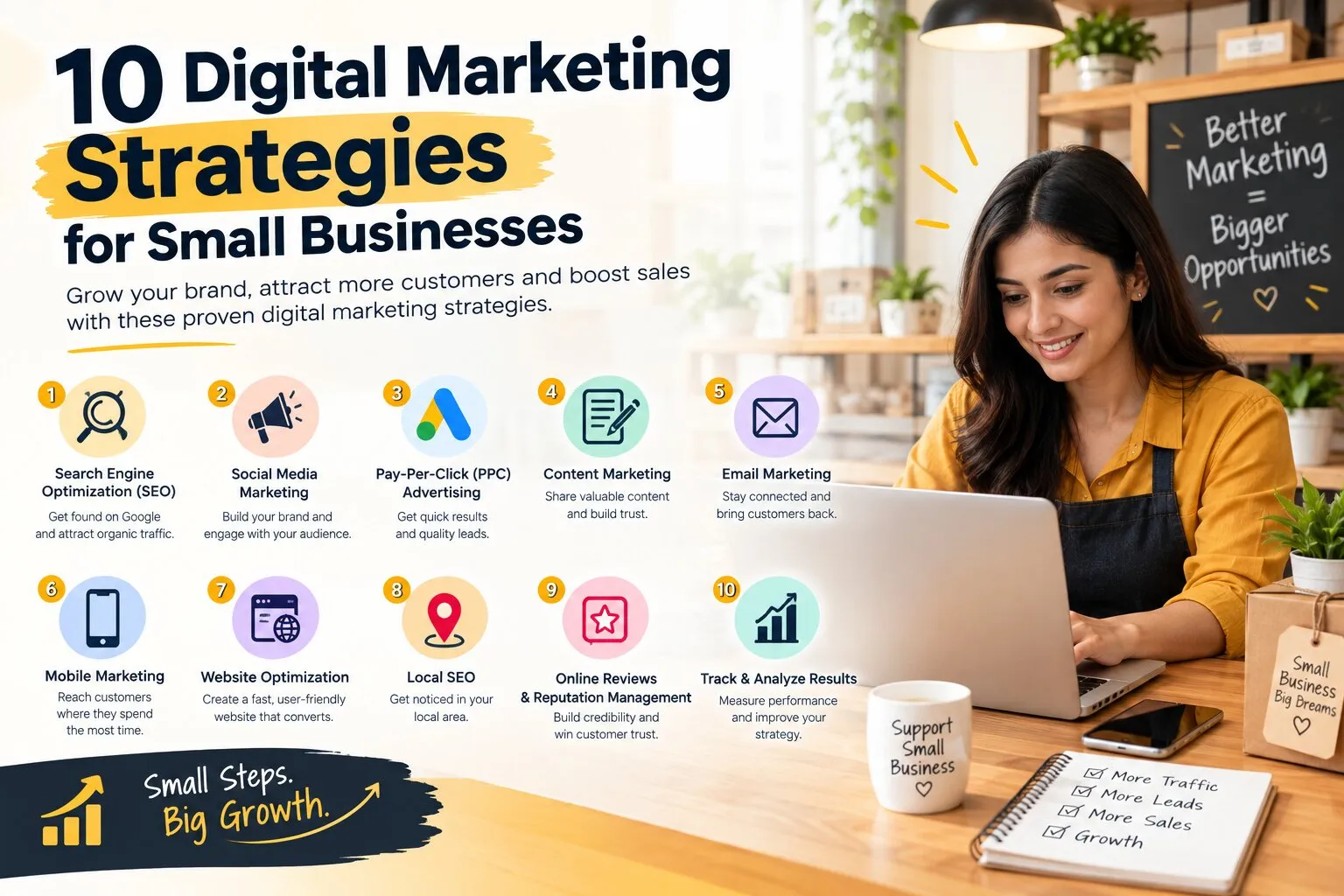
The best digital marketing strategies for small businesses are usually the ones that fit the business, budget, customers, and available time.
A small business does not need to be active on every platform or run every type of campaign. A local service provider may need Google search visibility and a strong Google Business Profile. A small online store may need product-focused content and paid advertising. A startup may need a good website, SEO, content, and a way to generate its first consistent leads.
The problem starts when businesses spend money on marketing without knowing what they are trying to fix.
If your website gets visitors but no enquiries, more traffic may not solve the problem. If people search for your service but cannot find you, posting more on Instagram may not be enough.
Here are 10 practical strategies that small businesses in India can use to build a stronger online presence and work towards long-term growth.

1. Make sure your website clearly explains what you sell
Your website is often one of the first places a potential customer goes after finding your business.
It should answer basic questions quickly:
What do you offer?
Who is it for?
Where do you provide the service?
Why should someone contact you?
How can they call, message, book, or enquire?
A common mistake is spending money on getting visitors before checking whether the website is ready for those visitors.
For example, if you provide accounting services, your service page should clearly explain the services you provide, the type of customers you work with, the locations you serve, and how someone can contact you.
The same applies to a manufacturer, coaching centre, clinic, retailer, consultant, or local service business.
Good marketing cannot compensate for a confusing website.
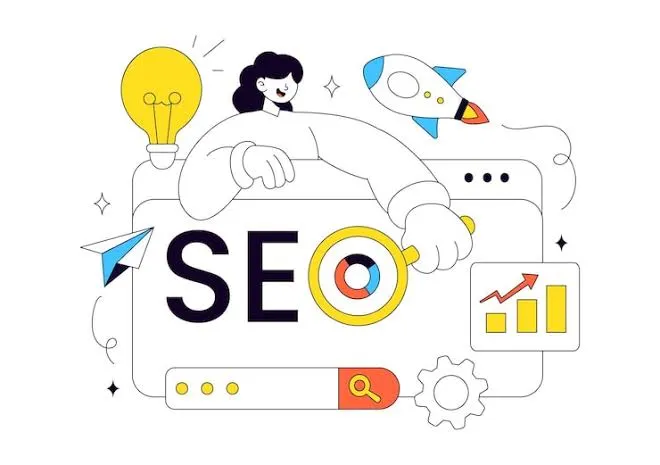
2. Work on SEO around what customers actually search
SEO should start with customer searches, not a long list of keywords that look impressive in a report.
Think about the phrases someone would type into Google when they are ready to find your product or service.
A local business might target searches such as:
"AC repair in Delhi"
"digital marketing company in Noida"
"car service near me"
The exact keywords will depend on your business.
Good SEO work can include keyword research, competitor analysis, on-page optimisation, technical improvements, content, and local SEO. These are also areas listed among Thaver Tech's SEO services.
Do not expect every page to rank immediately. SEO takes time, especially in competitive markets. Thaver Tech states that SEO typically takes around 3 to 6 months depending on competition and strategy.
That is why SEO should be treated as ongoing work rather than a one-time task.
3. Take your Google Business Profile seriously
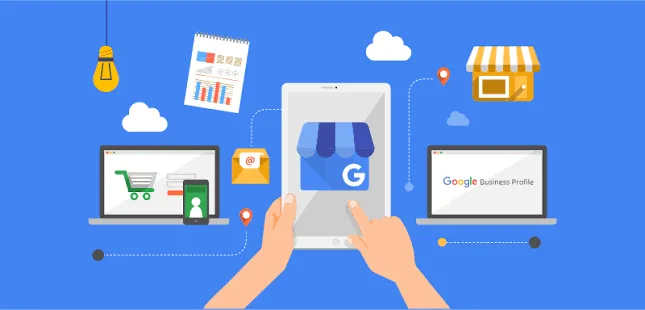
If your business serves customers at a physical location or within a specific service area, local search can be extremely useful.
Your Google Business Profile should contain accurate business information and be kept active.
Add relevant services, respond to genuine reviews, upload useful photos, and keep your information updated.
Think about the questions a customer may have before calling you.
If someone searches for a service in their area and sees your profile, they should be able to understand what you do and what to do next.
Local SEO is also part of the SEO services described by Thaver Tech.
For many small businesses, this can be more relevant than trying to build a large audience on social media.
4. Create content that answers customer questions
You do not need to publish something every day just to say you are doing content marketing.
Start with questions your customers already ask.
For example, a laptop repair business could write about:
How to know if a laptop battery needs replacement
Why a laptop becomes slow
When a laptop should be upgraded instead of repaired
A tax consultant could create content around common filing questions. A school can answer parents' admission questions. A home service business can explain pricing factors, service processes, and common problems.
This type of content can help potential customers understand the problem before they decide to contact you.
It can also give your website more useful pages for search engines to understand.
The goal is simple: make your website useful before asking people to buy from you.

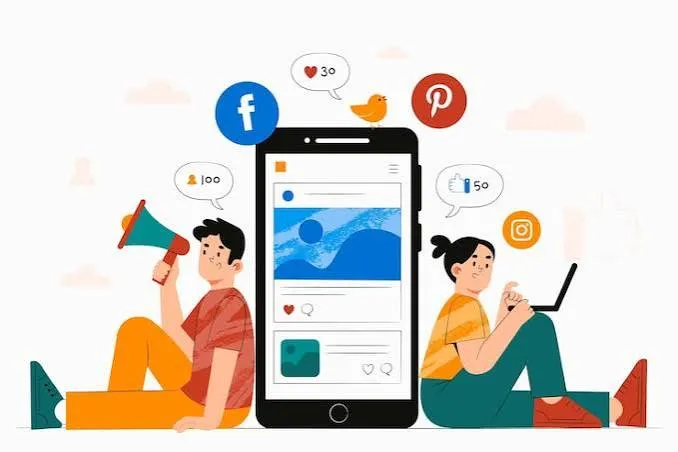
5. Use social media for the right reason
Many small businesses start social media marketing with one target: get more followers.
Followers can be useful, but they are not the only thing that matters.
Ask what social media should actually do for your business.
It could help you:
Show your work
Explain your products
Answer customer questions
Build familiarity with the brand
Share offers or updates
Bring people back to your website
Generate enquiries
A restaurant can show its food and customer experience. A designer can show completed projects. A manufacturer can explain how its products are made. A service business can share useful maintenance tips.
Thaver Tech's SMO services include profile creation, regular content posting, content promotion, audience engagement, community building, and campaign management.
The right content depends on what your customers actually care about.
6. Try paid advertising when you need targeted traffic
SEO can take time. Paid advertising can help businesses reach people searching for specific products or services sooner.
Google Ads can be useful when your customers already search for what you sell.
For example, if someone searches for "AC repair service near me," a relevant local business may want to appear in front of that person.
But paid advertising needs control.
Do not simply increase the budget because an ad is getting clicks. Look at whether those clicks are producing useful enquiries, calls, bookings, or sales.
Thaver Tech's PPC service includes keyword research, ad creation, campaign setup and optimisation, landing-page optimisation, budget management, performance tracking, and remarketing.
For a small business, tracking is especially important because the budget is usually limited.
7. Build your online reputation
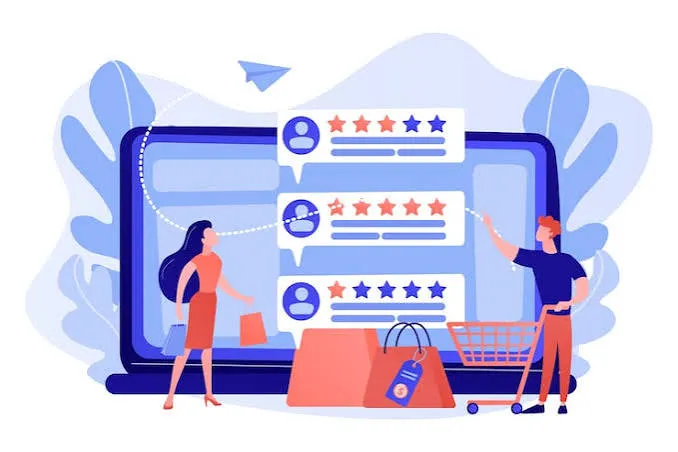
People often check reviews before contacting a business.
That makes online reputation part of the customer's decision-making process.
Ask genuine customers for reviews where appropriate. Respond professionally to reviews, including negative ones. Do not create fake reviews or ask people to post something they did not experience.
You can also monitor what people are saying about the business online and respond when necessary.
Thaver Tech lists online reputation management services that include reputation monitoring, review management, response strategy, and campaigns focused on positive visibility.
For a small business that depends heavily on trust, this area deserves attention.
8. Make sure your marketing and sales process connect
This is an area many small businesses overlook.
Suppose you run a Google Ads campaign and receive 20 enquiries. If nobody records where those enquiries came from, how quickly they were answered, or how many became customers, you do not really know whether the campaign worked.
Marketing brings the opportunity.
Your sales process has to handle it.
Make sure someone is responsible for responding to enquiries. Keep contact information organised. Track calls, forms, WhatsApp messages, bookings, or other relevant actions.
You may discover that the problem is not getting leads. It is losing leads after they arrive.
That is useful information because the solution is very different.


9. Track a few numbers that actually matter
Small businesses do not need a huge dashboard full of numbers they never use.
Start with the measurements connected to your goal.
If you want more enquiries, track enquiries.
If you want more calls, track calls.
If you are running Google Ads, look at spend, clicks, conversions, cost, and lead quality.
For SEO, monitor relevant search visibility, organic traffic, and conversions.
Thaver Tech says it measures digital marketing success through traffic, leads, conversions, and ROI.
The exact numbers will differ between businesses. A local plumber, an online store, and a B2B software company should not be judged in exactly the same way.
10. Build for long-term growth instead of chasing quick wins
This is probably the most important strategy for a small business.
You may need quick leads today, but you should also be building assets that continue helping the business later.
That can include:
Useful website pages
Search-optimised content
Local search visibility
A properly maintained Google Business Profile
Customer reviews
A clear enquiry process
Useful social media content
Reliable conversion tracking
A database of customer questions and feedback
Paid advertising can support immediate campaigns, while SEO and content can help build organic visibility over time.
The idea is not to stop paid advertising or expect SEO to solve everything. It is to avoid building a marketing system that depends entirely on paying for every visitor.


Which digital marketing strategy should a small business start with?
You do not have to implement all 10 strategies at once.
Start with the biggest problem.
If customers cannot find you, look at SEO and local search.
If people find you but do not contact you, look at your website and enquiry process.
If you need targeted traffic quickly, consider paid advertising.
If people know your business but do not trust it yet, work on useful content, reviews, social proof, and reputation.
If you have visitors and enquiries but do not know what is working, fix your tracking first.
This approach keeps the marketing budget focused.
How can small businesses avoid wasting money on digital marketing?
The easiest way is to stop treating marketing activities as separate tasks.
A social media post, SEO campaign, Google Ad, blog article, and website page should have a reason behind them.
Before spending money, ask:
Who are we trying to reach?
What are they looking for?
What problem are we solving for them?
What should they do after finding us?
How will we know if the activity worked?
The answers will help you decide where to spend time and money.
Thaver Tech's digital marketing services cover SEO, AEO, GEO, SMO, ORM and PPC, with its broader approach focused on lead generation, online visibility and business goals.