If you’re new to online marketing, the term “digital marketing” might feel overwhelming at first. There are many platforms, strategies, and tools, and it’s easy to get confused about where to start. This guide to digital marketing for beginners is designed to simplify everything and explain each step clearly, without technical jargon.
Digital marketing is simply the process of promoting products or services using the internet and digital channels. It helps businesses reach the right audience, build trust, and generate sales online. Whether you are a student, business owner, or someone exploring a new career, understanding the basics of digital marketing is a valuable skill.
Digital Marketing for Beginners: Step-by-Step Guide
If you’re new to online marketing, the term “digital marketing” might feel overwhelming at first. There are many platforms, strategies, and tools, and it’s easy to get confused about where to start. This guide to digital marketing for beginners is designed to simplify everything and explain each step clearly, without technical jargon.
Digital marketing is simply the process of promoting products or services using the internet and digital channels. It helps businesses reach the right audience, build trust, and generate sales online. Whether you are a student, business owner, or someone exploring a new career, understanding the basics of digital marketing is a valuable skill.
Step 1: Understand What Digital Marketing Really Is
Digital marketing includes all marketing efforts that use online platforms. Instead of relying on newspapers, billboards, or TV ads, businesses connect with customers through search engines, websites, social media, email, and online advertisements.
For digital marketing for beginners, it’s important to know that digital marketing is not just one thing. It is a combination of different strategies working together to attract, engage, and convert users.


Step 2: Learn the Core Types of Digital Marketing
To understand digital marketing properly, beginners should first learn its main components:
Digital marketing helps businesses:
Search Engine Optimisation (SEO)
SEO helps websites rank higher on Google and other search engines. When people search for information, products, or services, SEO ensures your website appears in the results. It focuses on keywords, content quality, website structure, and user experience.
Content Marketing
Content marketing is about creating helpful and valuable content such as blogs, articles, videos, and guides. Good content educates users, builds trust, and supports SEO efforts.
Social Media Marketing
This involves promoting brands on platforms like Instagram, Facebook, LinkedIn, and X. Social media helps businesses engage with their audience, build brand awareness, and drive traffic to websites.
Pay-Per-Click Advertising (PPC)
PPC allows businesses to run paid ads on Google and social media platforms. You only pay when someone clicks on your ad. It’s a fast way to get traffic and leads.
Email Marketing
Email marketing helps businesses stay connected with their audience through newsletters, updates, and promotional emails. Understanding these basics is a key part of digital marketing for beginners.
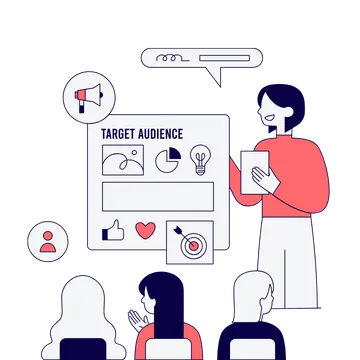
Step 3: Know Your Target Audience
One of the most important lessons in digital marketing is knowing who you are marketing to. Beginners often make the mistake of trying to reach everyone.
Ask simple questions:
Who is your ideal customer?
What problems do they have?
What are they searching for online?
Which platforms do they use most?
Clear audience understanding makes every digital marketing effort more effective.

Step 4: Learn Keyword Research
Keywords are the words or phrases people type into search engines. Keyword research helps you understand what your audience is searching for.
For digital marketing for beginners, keyword research helps with:
Creating blog topics
Optimising website pages
Running paid ads
Free tools like Google Keyword Planner and Google Search suggestions are a great place to start.
Step 5: Create a Simple Website or Landing Page
A website is the foundation of digital marketing. It doesn’t need to be complex in the beginning, but it should be clear, mobile-friendly, and easy to navigate.
A beginner-friendly website should include:
Clear information about your product or service
Easy contact options
Fast loading speed
Simple design
Your website is where all digital marketing efforts eventually lead.

Step 6: Start with Basic SEO Practices
SEO may sound technical, but beginners can start with simple steps:
Use keywords naturally in content
Write clear page titles and headings
Create helpful and original content
Improve website speed
Make your site mobile-friendly
These basic SEO steps form the backbone of digital marketing for beginners and deliver long-term results.
Step 7: Use Social Media Wisely
Social media is often the first platform beginners try, but success requires consistency and purpose. Instead of posting randomly, focus on providing value.
Good social media practices include:
Sharing useful tips and insights
Posting consistently
Engaging with comments and messages
Avoiding excessive promotions
Social media works best when it supports your overall digital marketing strategy.

Step 8: Track Performance with Analytics
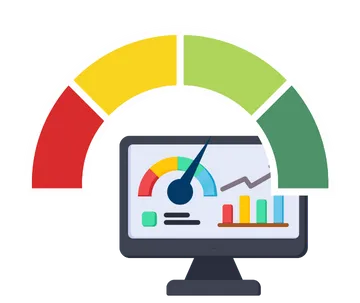
One major advantage of digital marketing is that everything can be measured. Beginners should get comfortable with basic analytics.
Key metrics to track:
Website traffic
Page views
Clicks
Conversions
Tools like Google Analytics help you understand what’s working and what needs improvement.
Patient and Keep Learning
Digital marketing does not deliver instant success, especially organic methods like SEO and content marketing. Beginners must stay patient and consistent. Search engine rankings, audience trust, and brand authority take time to build. Learning from results, improving strategies, and staying updated with trends are essential parts of digital marketing for beginners.
Step 9: Avoid Common Beginner Mistakes
Many beginners make similar mistakes, such as:
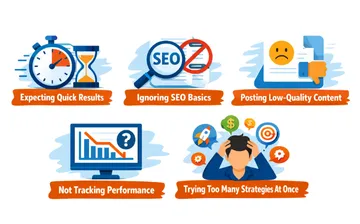
Expecting quick results
Ignoring SEO basics
Posting low-quality content
Not tracking performance
Trying too many strategies at once
Focusing on learning and gradual improvement leads to better outcomes.