If you’ve ever searched for a product online, watched a brand’s video on social media, clicked on a Google ad, or read a helpful blog before making a purchase, you’ve already experienced digital marketing. Still, many beginners often ask a simple but important question: what is digital marketing, and why has it become so essential for businesses today?
This guide breaks it down in a clear, easy-to-understand way—no jargon, no confusion—just practical knowledge to help you understand how digital marketing works and why it matters.
What Is Digital Marketing?
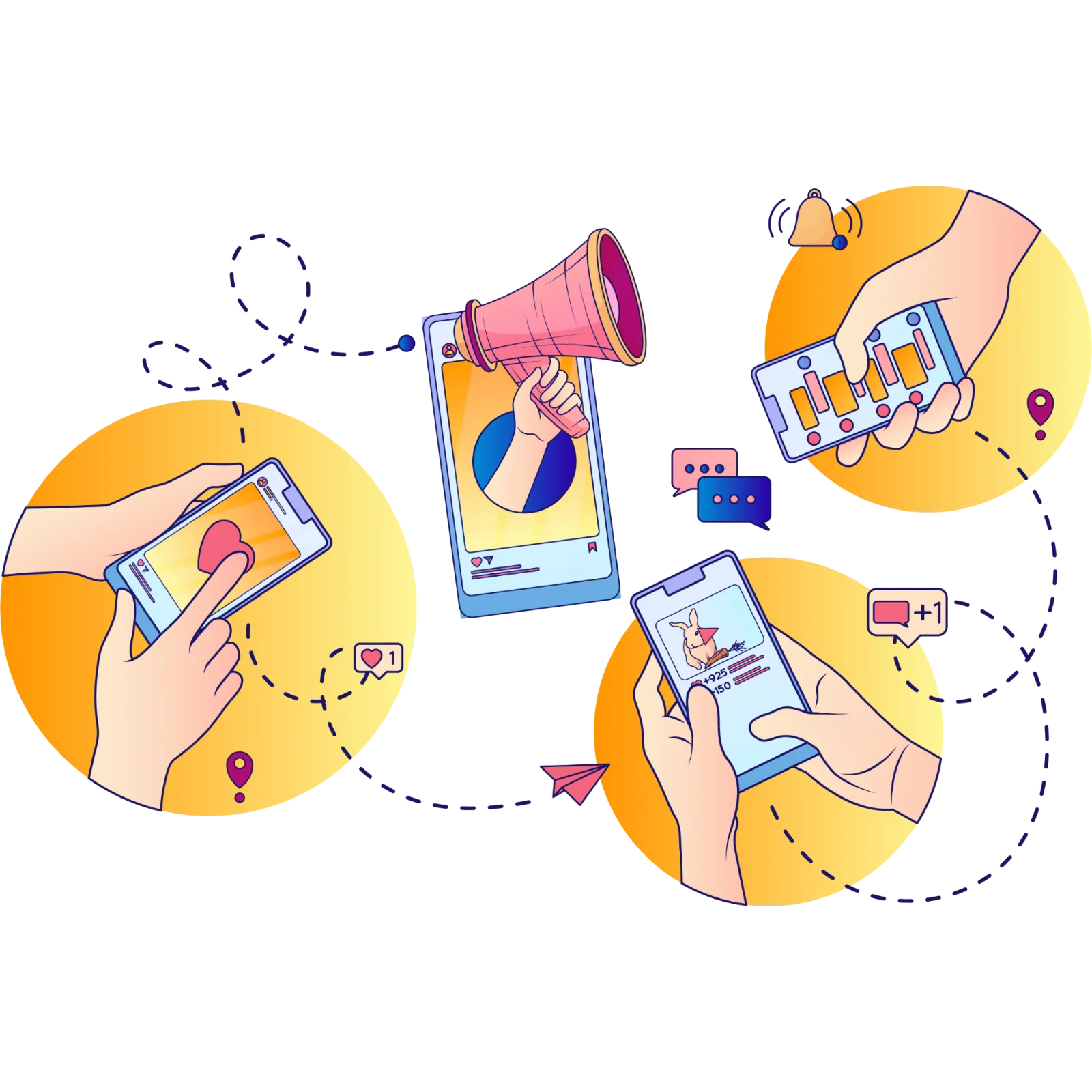
Digital marketing refers to promoting products or services using online channels such as search engines, websites, social media platforms, email, and mobile apps. Unlike traditional marketing methods like newspapers or billboards, digital marketing allows businesses to reach their audience where they spend most of their time—online
Simply put, what is digital marketing? It’s a way for businesses to connect with the right audience at the right time using digital tools and platforms, while also tracking results in real time.
Why Digital Marketing Is Important
The way people discover and choose brands has changed. Customers no longer rely only on word of mouth or offline ads. Instead, they research online, compare options, read reviews, and make informed decisions.
Digital marketing helps businesses:
Reach a larger audience
Target specific customer groups
Measure performance and ROI
Build trust and credibility
Adapt strategies quickly
Because of this flexibility and reach, digital marketing has become a core part of business growth.
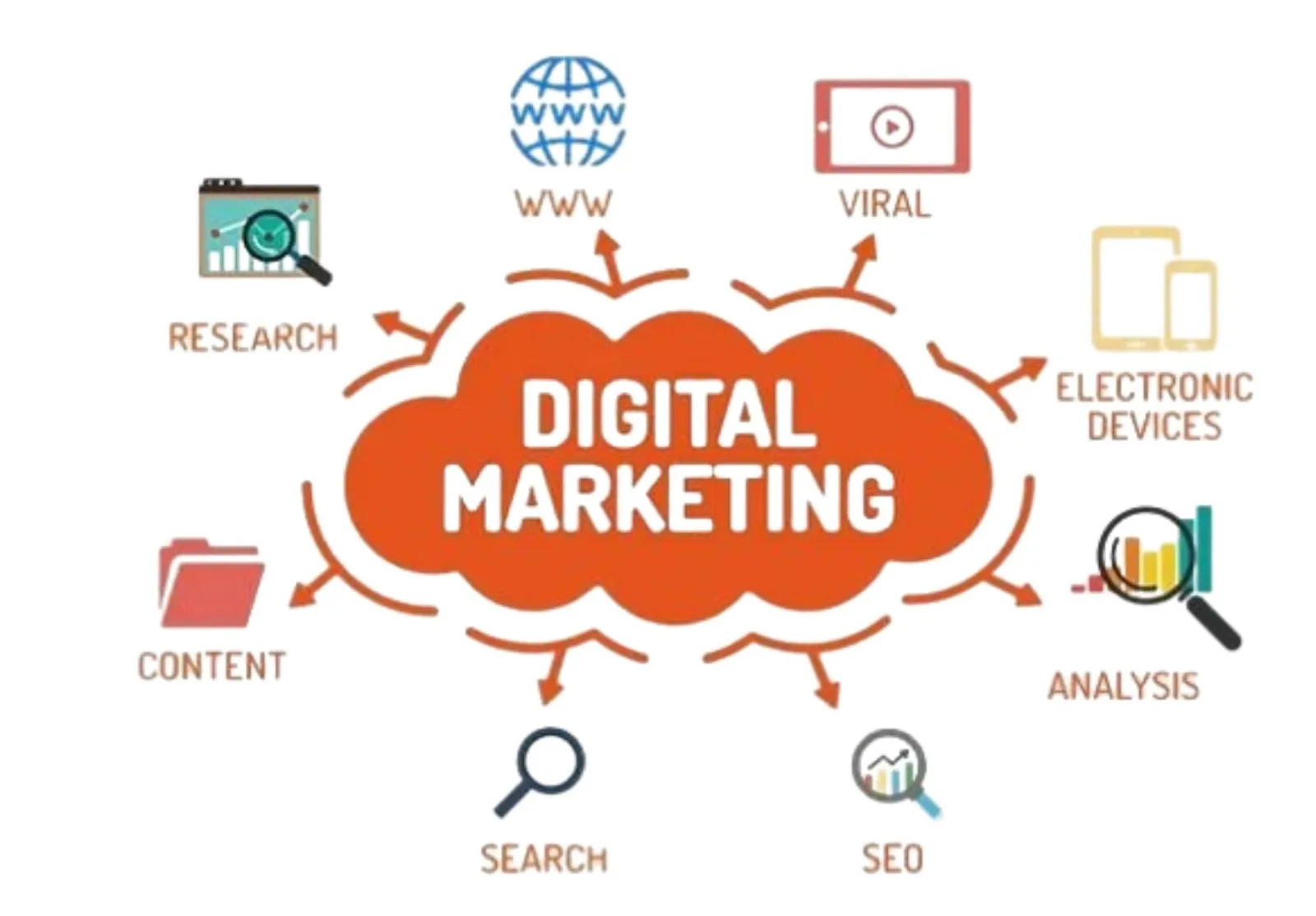
Types of Digital Marketing Explained
To fully understand what digital marketing is, it’s important to know the main channels involved.
1. Search Engine Optimisation (SEO)
SEO focuses on improving a website’s visibility on search engines like Google. When someone searches for information, products, or services, SEO helps your website appear higher in search results.
SEO includes:
Keyword research
On-page optimisation
Technical improvements
Content creation
Good SEO brings long-term, organic traffic to a website.
2. Content Marketing
Content marketing involves creating useful and informative content to attract and engage users. This can include blog posts, articles, videos, infographics, and guides.
Instead of directly selling, content marketing educates users, builds trust, and positions a brand as an authority in its industry.
3. Social Media Marketing
Social media marketing uses platforms like Instagram, Facebook, LinkedIn, and X to connect with audiences. It helps businesses build relationships, increase brand awareness, and encourage interaction.
Through consistent posting and engagement, brands stay visible and relevant.
4.Pay-Per-Click Advertising (PPC)
PPC advertising allows businesses to display ads on platforms like Google and social media. Advertisers pay only when someone clicks on the ad.
This method is effective for:
Quick visibility
Lead generation
Product promotions
PPC delivers fast results when managed correctly.
5. Email Marketing
Email marketing involves sending targeted messages to users who have shown interest in a business. It’s commonly used for updates, offers, newsletters, and customer retention.
Despite being one of the oldest digital channels, email marketing remains highly effective.
6. Affiliate and Influencer Marketing
Affiliate marketing rewards partners for promoting products, while influencer marketing uses trusted personalities to recommend brands to their audience.
Both methods rely on trust and social proof.
How Digital Marketing Works
Understanding digital marketing also means understanding how strategies are created and executed. Most digital marketing efforts follow these steps:
Identifying business goals
Understanding the target audience
Selecting the right platforms
Creating engaging content
Launching campaigns
Tracking and optimising performance
Data plays a major role. Marketers analyse traffic, clicks, conversions, and engagement to improve results over time.

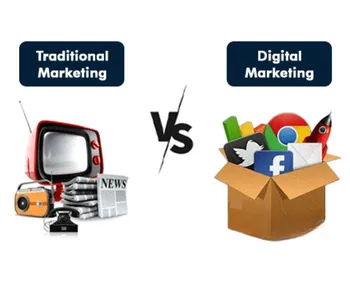
Digital Marketing vs Traditional Marketing
Traditional marketing uses offline channels like newspapers, radio, and television. Digital marketing, on the other hand, offers more control, targeting, and transparency.
Key differences include:
Digital marketing is measurable
It allows real-time optimisation
It’s more cost-effective
It offers better audience targeting
This makes digital marketing more suitable for businesses of all sizes.
Who Can Benefit from Digital Marketing?
Digital marketing isn’t limited to large companies. It benefits:
Small businesses
Startups
Freelancers
Service providers
E-commerce brands
Anyone with an online presence can use digital marketing to grow.
Skills Needed to Learn Digital Marketing
If you’re curious about learning digital marketing, some essential skills include:
Key differences include:
Basic understanding of SEO
Content writing and communication
Analytical thinking
Social media knowledge
Willingness to adapt to trends
The best part is that many skills can be learned online with practice.